
Sustainability
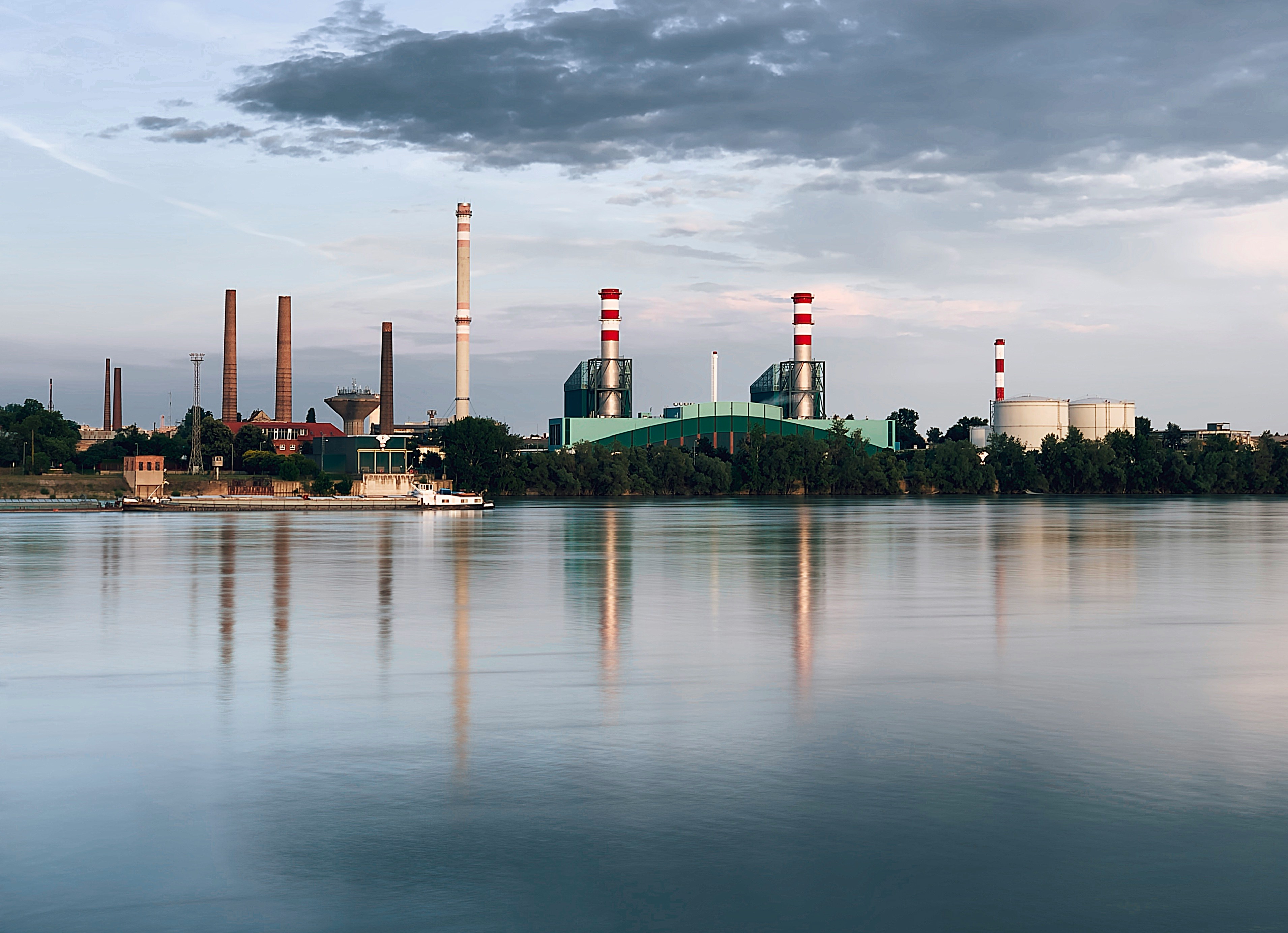
Wolfram Chemical treats sustainability as an engineering and operating problem: use domestic feedstock, design for efficiency and on-stream time, and avoid building more complexity than the first phase can run well.
Operational efficiency
The facility is designed around commercially proven process technologies selected for reliability, energy efficiency, and operability. Parallel trains, onsite fuel-gas use, and optional lower-carbon hydrogen integration are part of how the configuration can improve efficiency over time.
Phased development
A fuels-first Phase 1 reduces the initial permitting and execution burden relative to a full crude-to-chemicals complex. Later petrochemical expansion is an option, not a requirement of the first facility.
Domestic supply
The refinery is configured for American light sweet crude from the Permian Basin and sited near that feedstock. Processing U.S. light crude into finished fuels is intended to strengthen domestic refining capacity and reduce reliance on imported barrels.
Continuous improvement
As operations scale, performance data is used to improve energy use, reduce emissions intensity, and recover more value from the existing asset base rather than depending on a more complex first design.