
Lead asset
The Wolfram Refinery
A proposed ~500,000 barrel-per-day greenfield refinery in the Midland, Texas area, configured for American light sweet crude from the Permian Basin. Phase 1 is fuels-first. Later petrochemical integration is retained as an option on the same site.
Where the project stands
The project is at FEL-1: concept, configuration, and design basis. We are raising seed capital to staff a small core of experienced operators and technical support, harden the development package, and prepare for broader work with EPCs, licensors, and commercial counterparties — the work that takes the project into FEL-2.
Stage
FEL-1
Concept and design basis. Not FEED. Not FID.
Capital
Seed raise
Team, package, and counterparties for the next FEL stage.
Phase 1 scope
Fuels
RBOB, Jet A-1, and ULSD, with LPG as an associated product.
Location
Midland, TX area
Sited at Permian light sweet crude, inland of Gulf hurricane risk.
- FEL-1 Concept and design basis
- FEL-2 Pre-FEED
- FEL-3 FEED
- FID Investment decision
- EPC Construction
- Ops First production
Why this project exists
The United States is the world’s largest oil producer, but most of the existing refining fleet was built for imported heavy, sour crude. Domestic light sweet barrels — especially from the Permian — are often exported, while heavier foreign crude is imported to feed those plants. That is an economic inefficiency and a strategic gap.
Wolfram Chemical is developing new refining capacity configured for the crude the country actually produces. Phase 1 is a fuels refinery that can be permitted, financed, and operated as a clear industrial project. Chemicals come later, if the same site, utilities, and operating base justify it.
Inputs
The facility is designed around a Permian light sweet diet, not a flexible heavy-sour complex. Light, low-sulfur shale crude is simpler to process, yields more transportation fuels, and carries fewer contaminants than the imported barrels many U.S. plants were built to run.
Feedstock
American light sweet crude from the Permian Basin, WTI-quality shale oil. The configuration is optimized for that chemistry rather than for imported heavy, sour grades.
Siting
Midland, Texas area — at the feedstock, with an established petroleum workforce, service base, and regional logistics for crude in and products out.
Energy
Onsite fuel gas is used for process heat so the plant consumes residual streams instead of buying in more energy than it needs. Lower-carbon hydrogen is an optional later integration, not a Phase 1 requirement.
Technology
Commercially proven refining process technologies. No first-of-kind conversion scheme. Licensors and an EPC will lock the unit lineup as the project moves through FEL-2 and FEL-3.
Process
Phase 1 is a conventional fuels refinery. The work is integration, constructability, and operability at scale — not a new chemistry. Parallel equipment trains are used so the plant can be built and turned around in pieces, and so a single outage does not take the full 500,000 barrels per day offline.
-
Receipt and storage
Permian light sweet crude is received into onsite tankage and staged for processing.
-
Separation
Crude is fractionated into boiling-range cuts — gases, naphtha, kerosene, distillate, and heavier bottoms — that match the fuels slate.
-
Treatment and conversion
Intermediate streams are treated and converted with established refining technologies to meet U.S. gasoline, jet, and diesel specifications.
-
Recovery and fuel gas
Light ends such as LPG are recovered as products. Fuel gas generated on site is used for process heat.
-
Product movement
Finished fuels leave over regional logistics. Exact offtake paths will be set with commercial and infrastructure partners.
Unit-level configuration, licensor selection, and heat-and-material balances are FEL-2/FEL-3 work. What is fixed now is the design intent: light-sweet diet, fuels-first slate, parallel trains, proven technology.
Engineering targets
These figures are the FEL-1 design basis. They are the configuration we are taking into the next stage of engineering, not a frozen FEED package.
| Nameplate capacity | ~500,000 barrels per day |
|---|---|
| Train arrangement | Multiple parallel equipment trains, to improve on-stream factor, reduce turnaround impact, and improve constructability |
| Feedstock | American light sweet crude (Permian / WTI-quality shale) |
| Phase 1 products | Gasoline (RBOB), jet fuel (Jet A-1), diesel (ULSD); LPG as an associated light-ends product |
| Location | Midland, Texas area — feedstock access, industrial workforce, inland of typical Gulf hurricane exposure |
| Process basis | Commercially proven refining technologies; no first-of-kind conversion scheme in Phase 1 |
| Energy integration | Onsite fuel-gas utilization; optional lower-carbon hydrogen in a later phase |
| Development sequence | Fuels-first Phase 1; petrochemical expansion retained as a later option on the same site and utilities |
| Current gate | FEL-1 complete as a design basis; seed capital to staff, harden the package, and enter FEL-2 |
Phase 1 products
The first facility is a fuels plant. The slate is set by the light-sweet diet and by domestic specifications, not by a chemicals complex that would have to be permitted and financed on day one.
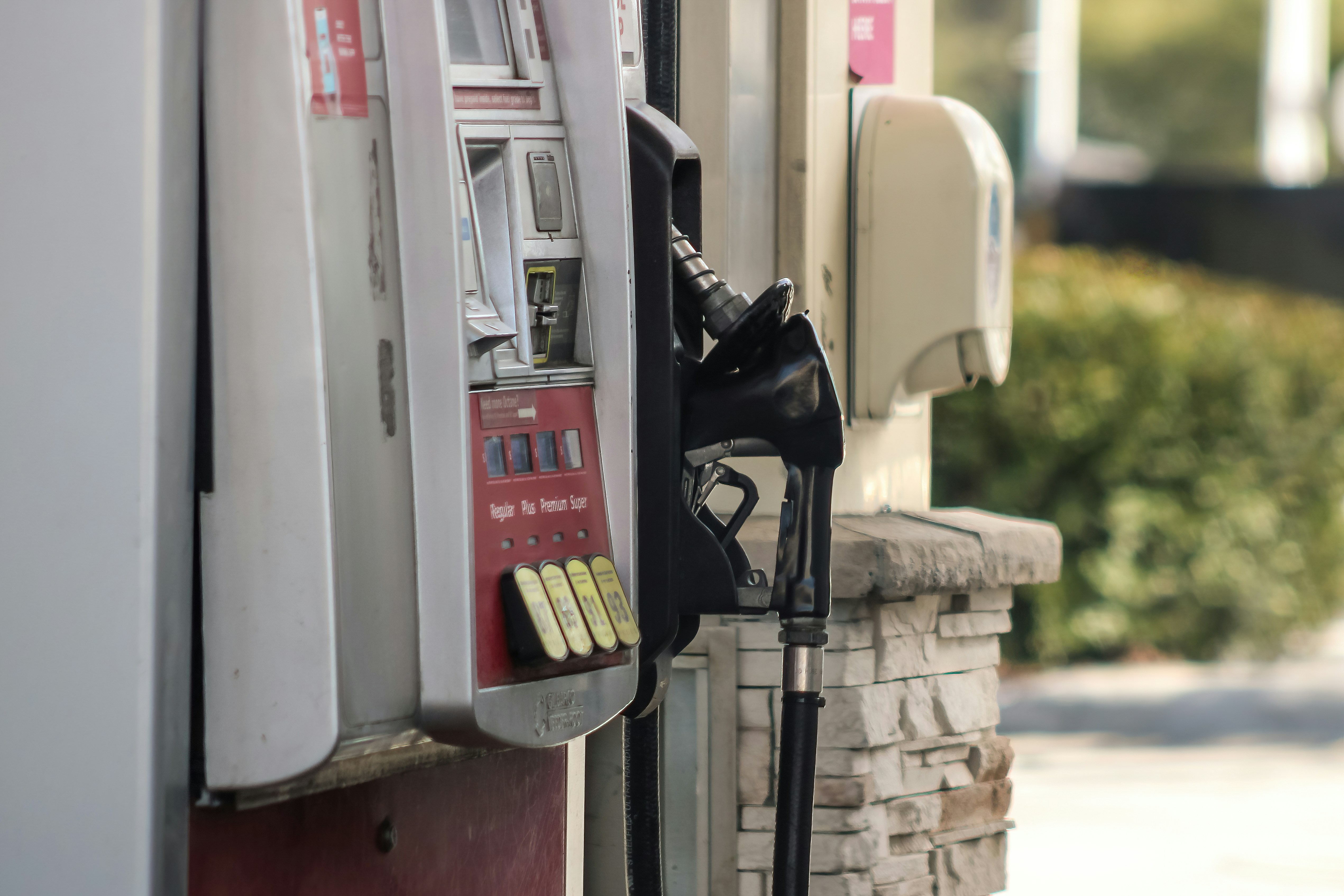
Gasoline (RBOB)
Reformulated blendstock for oxygenate blending, produced for U.S. gasoline markets from a Permian light sweet diet.
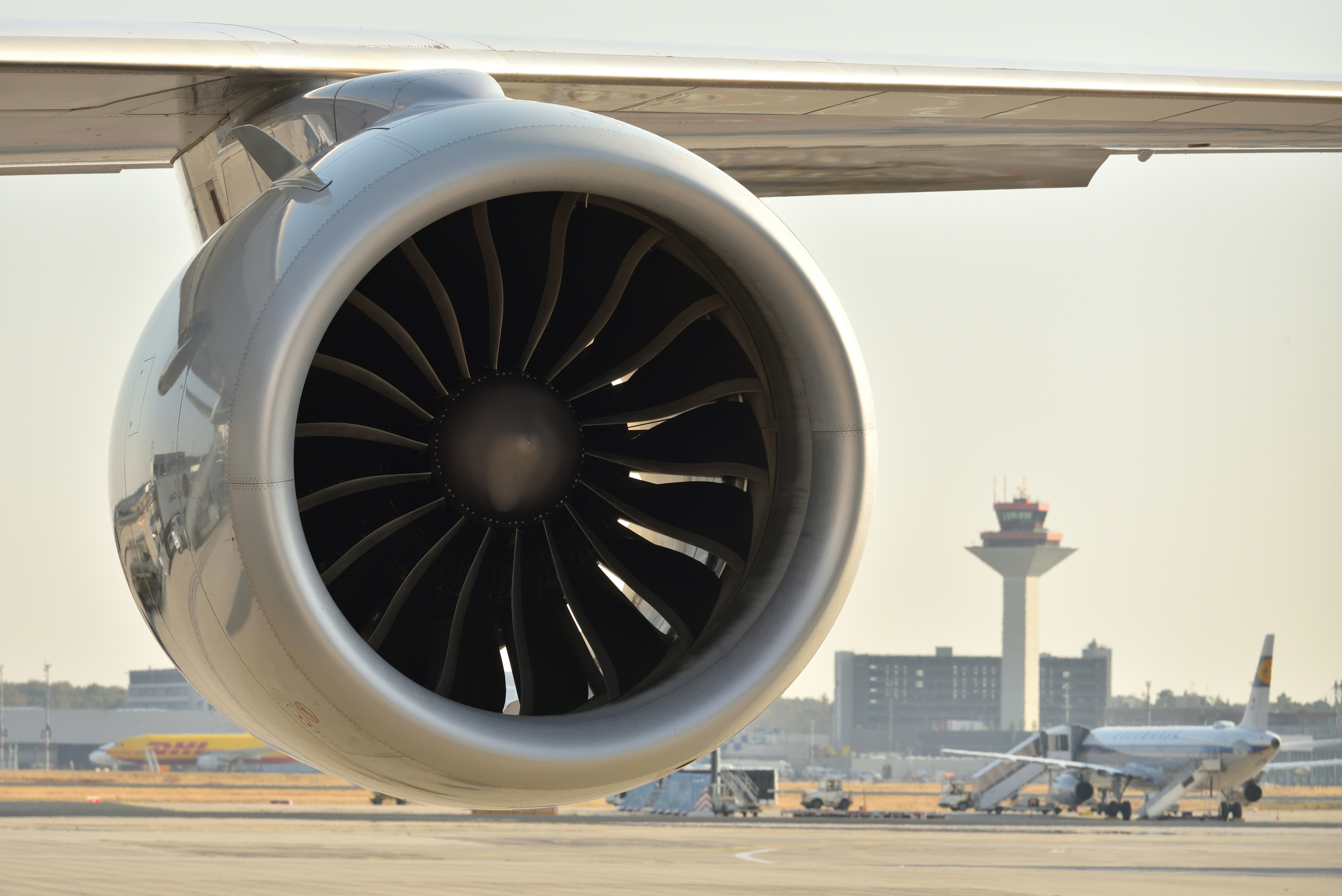
Jet Fuel (Jet A-1)
Aviation kerosene refined to Jet A-1 specifications for commercial and other aviation use.
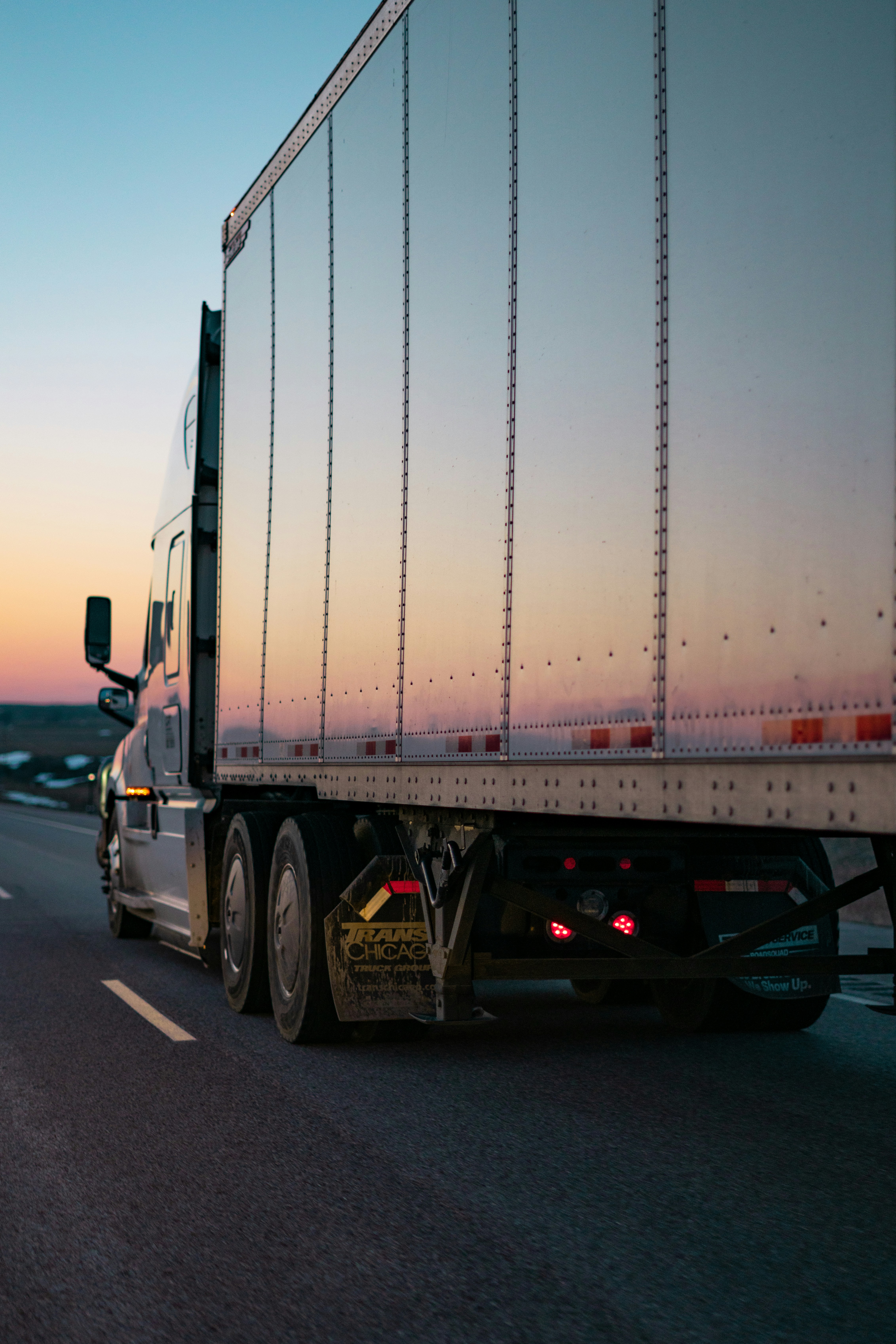
Diesel (ULSD)
Ultra-low sulfur diesel for transportation and industrial applications.
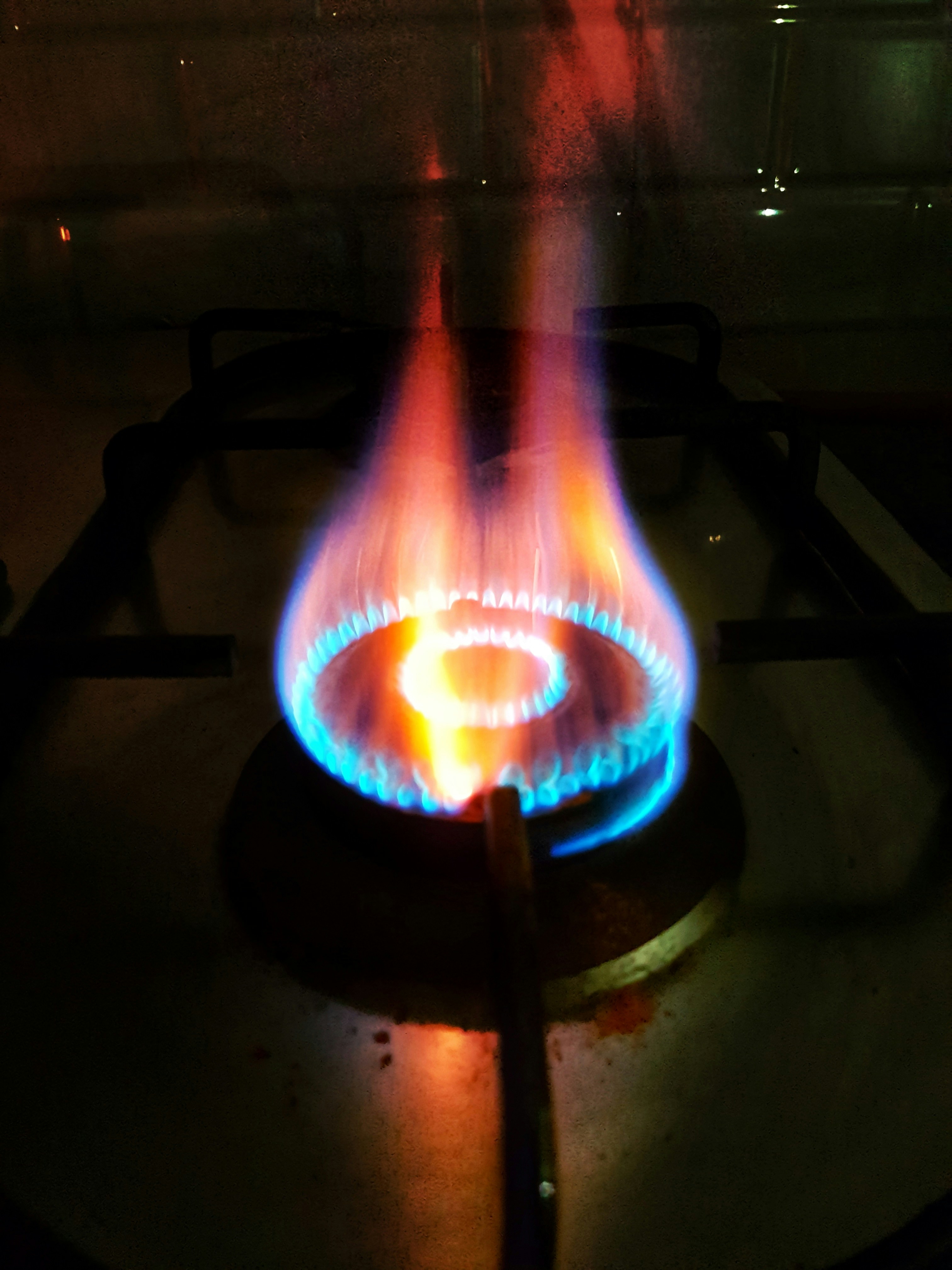
LPG
Liquefied petroleum gas recovered from the light-crude slate, for transportation, industrial, and heating applications.
Later petrochemical option
Downstream petrochemical integration is retained as a later-phase option on the same site, utilities, and operating organization. Phase 1 stays focused on fuels so the first facility can be permitted, financed, and run as a clear refining project before adding complexity.